
Affordable Home Renovations With Adaptive Improvements
Home renovations can be a daunting task, especially when you are on a budget. However, with the right approach, you can make significant improvements to your home without breaking the bank. This blog post will explore affordable home renovations that incorporate adaptive improvements. These enhancements not only increase the value of your home but also make it more functional and comfortable for everyone.
Home renovations do not have to be expensive. With a little creativity and planning, you can achieve a beautiful and functional space. Whether you are looking to update your kitchen, bathroom, or living area, there are many ways to make your home more adaptive and accessible.
Understanding Adaptive Improvements
Adaptive improvements are changes made to a home to enhance its usability for all occupants. These improvements can be particularly beneficial for individuals with mobility challenges, aging family members, or anyone who wants to create a more functional living space.
Some common adaptive improvements include:
Wider doorways: This allows for easier access for wheelchairs or walkers.
Grab bars: Installing grab bars in bathrooms can provide extra support and safety.
Non-slip flooring: This reduces the risk of falls, making spaces safer for everyone.
By focusing on these types of improvements, you can create a home that is not only beautiful but also practical.
Budget-Friendly Renovation Ideas
When it comes to home renovations, there are many budget-friendly options available. Here are some ideas to consider:
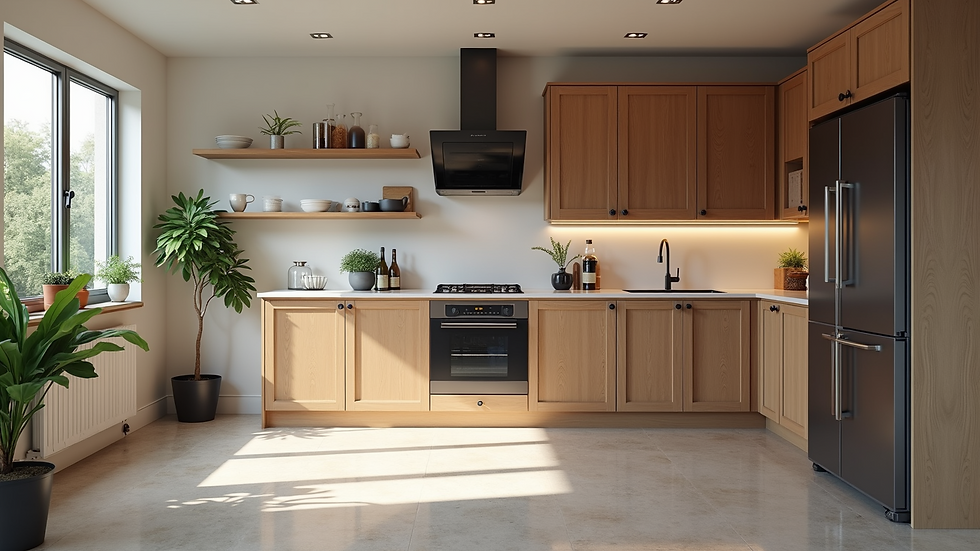
1. Update Your Kitchen
The kitchen is often the heart of the home. A few simple updates can make a big difference.
Paint cabinets: A fresh coat of paint can transform old cabinets. Choose a light color to brighten the space.
Replace hardware: New knobs and handles can give your kitchen a modern look without a hefty price tag.
Install a backsplash: Peel-and-stick tiles are an affordable way to add style and protect your walls.
2. Revamp Your Bathroom
Bathrooms can be expensive to renovate, but there are ways to make improvements without spending a fortune.
Change the faucet: A new faucet can update the look of your sink and improve functionality.
Add storage: Use shelves or baskets to create more storage space. This can help keep the area organized and clutter-free.
Install grab bars: As mentioned earlier, grab bars can enhance safety and accessibility.
3. Enhance Your Living Space
Your living area should be comfortable and inviting. Here are some affordable ways to enhance it:
Rearrange furniture: Sometimes, simply rearranging your furniture can create a fresh look and improve flow.
Add lighting: Consider adding floor lamps or table lamps to brighten up dark corners.
Incorporate plants: Indoor plants can improve air quality and add a touch of nature to your home.
Making Your Home More Accessible
Accessibility is a key aspect of adaptive improvements. Here are some specific ways to make your home more accessible:
1. Install Ramps
If you have steps leading to your front door, consider installing a ramp. This can make it easier for individuals with mobility challenges to enter and exit your home.
2. Modify Bathrooms
In addition to grab bars, consider installing a walk-in shower. This can be a safer option for individuals who may have difficulty stepping over a tub.
3. Use Smart Technology
Smart home technology can enhance accessibility. For example, smart lights can be controlled with voice commands, making it easier for individuals with limited mobility to manage their environment.
DIY vs. Hiring Professionals
When planning your renovations, you may wonder whether to tackle the projects yourself or hire professionals. Here are some factors to consider:
DIY Projects
Cost-effective: Doing it yourself can save money on labor costs.
Personal touch: You can customize the project to your liking.
Skill development: DIY projects can help you learn new skills.
Hiring Professionals
Expertise: Professionals have the experience and knowledge to handle complex projects.
Time-saving: Hiring someone can free up your time for other tasks.
Quality assurance: Professionals can ensure that the work is done correctly and safely.
Planning Your Renovation
Before starting any renovation project, it is essential to plan carefully. Here are some steps to help you get started:
1. Set a Budget
Determine how much you can afford to spend on your renovations. Be realistic about your budget and prioritize your needs.
2. Research
Look for inspiration online or in magazines. Create a vision board to help you visualize your ideas.
3. Create a Timeline
Decide when you want to start and finish your renovations. Having a timeline can help keep you on track.
4. Gather Materials
Make a list of the materials you will need for your projects. Look for sales or discounts to save money.
Sustainable Renovations
In addition to being affordable, consider making your renovations more sustainable. Here are some eco-friendly ideas:
Use recycled materials: Look for reclaimed wood or recycled tiles for your projects.
Energy-efficient appliances: When updating your kitchen or bathroom, choose energy-efficient appliances to save on utility bills.
Natural lighting: Maximize natural light by using light-colored paint and strategically placing mirrors.
The Impact of Adaptive Improvements
Making adaptive improvements can have a significant impact on your home and your quality of life. Here are some benefits to consider:
Increased safety: Adaptive improvements can reduce the risk of accidents and injuries.
Enhanced comfort: A more functional home can improve your overall comfort and well-being.
Higher property value: Homes with adaptive features may attract more buyers and sell for a higher price.
Real-Life Examples
To illustrate the benefits of affordable home renovations with adaptive improvements, here are a few real-life examples:
Example 1: The Johnson Family
The Johnson family wanted to make their home more accessible for their aging parents. They installed grab bars in the bathroom, added a ramp at the entrance, and updated the kitchen with new cabinets and countertops. These changes not only improved safety but also made their home more enjoyable for everyone.
Example 2: Sarah's Kitchen Makeover
Sarah decided to update her kitchen on a budget. She painted her cabinets, replaced the hardware, and added a peel-and-stick backsplash. These simple changes transformed her kitchen into a modern space without spending a fortune.
Final Thoughts
Affordable home renovations with adaptive improvements can significantly enhance your living space. By focusing on practical changes, you can create a home that is not only beautiful but also functional and accessible for everyone.
Remember to plan carefully, set a budget, and consider both DIY and professional options. With a little creativity and effort, you can achieve the home of your dreams without breaking the bank.

By embracing these ideas, you can make your home a more comfortable and welcoming place for all. Happy renovating!

Comments